
When the larder fills up in autumn
The waft of ripe fruit on South Tyrol's farms marks a special time of year.
The waft of ripe fruit on South Tyrol's farms marks a special time of year. It is a season of abundance - and there's work to be done.
Autumn is a busy time for South Tyrol's farms. The apples and grapes are ripe, animals come back down from the mountain pastures and the larder fills up. This is when fruit, wine and livestock farmers go about completely different tasks.
Work on a livestock farm
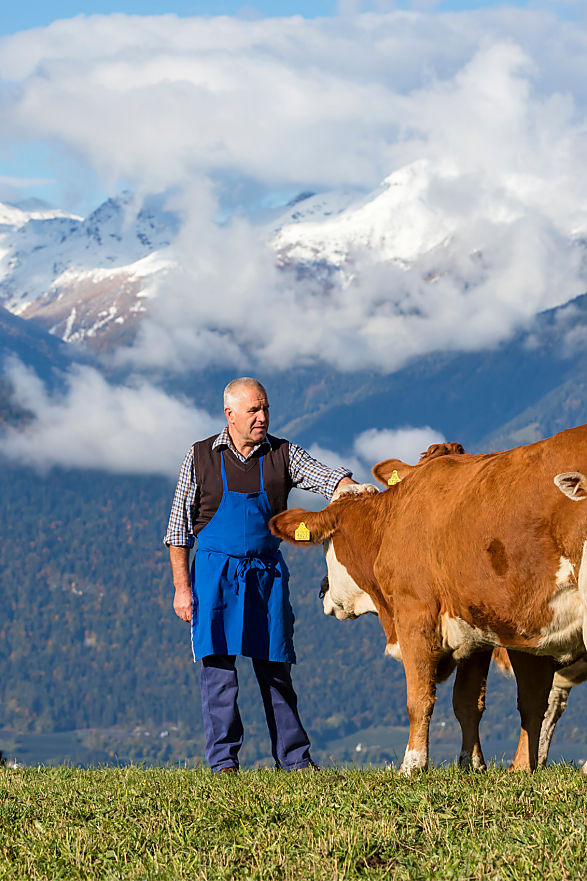
For many, the golden month of September features one of the most festive events in the farming calendar: the cattle drive down from the mountains. At the end of the summer, the animals come back down from their pastures, and after months of grazing on juicy grass meadows, cows, sheep, goats and horses return to the valley. Back on the farm, the animals can enjoy the mild weather on the surrounding meadows before they go back to the cowsheds and stables later on.
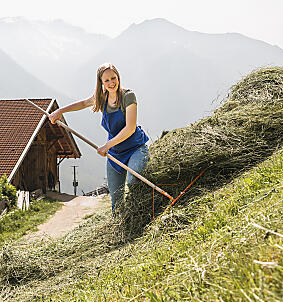
There's a lot to do around the farm. Potatoes and chestnuts are harvested, wood is stored up for the winter. In lower-lying areas, farmers take advantage of the dry autumn days to cut some more hay, the so-called 'Pofl' cut. By this time, the hay harvest is already over on most other farms, depending on altitude and weather conditions.
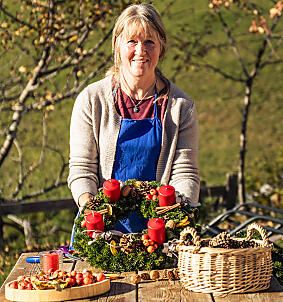
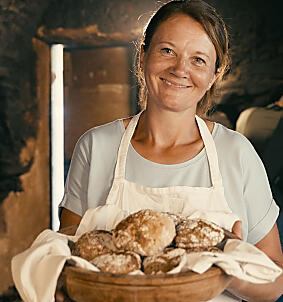
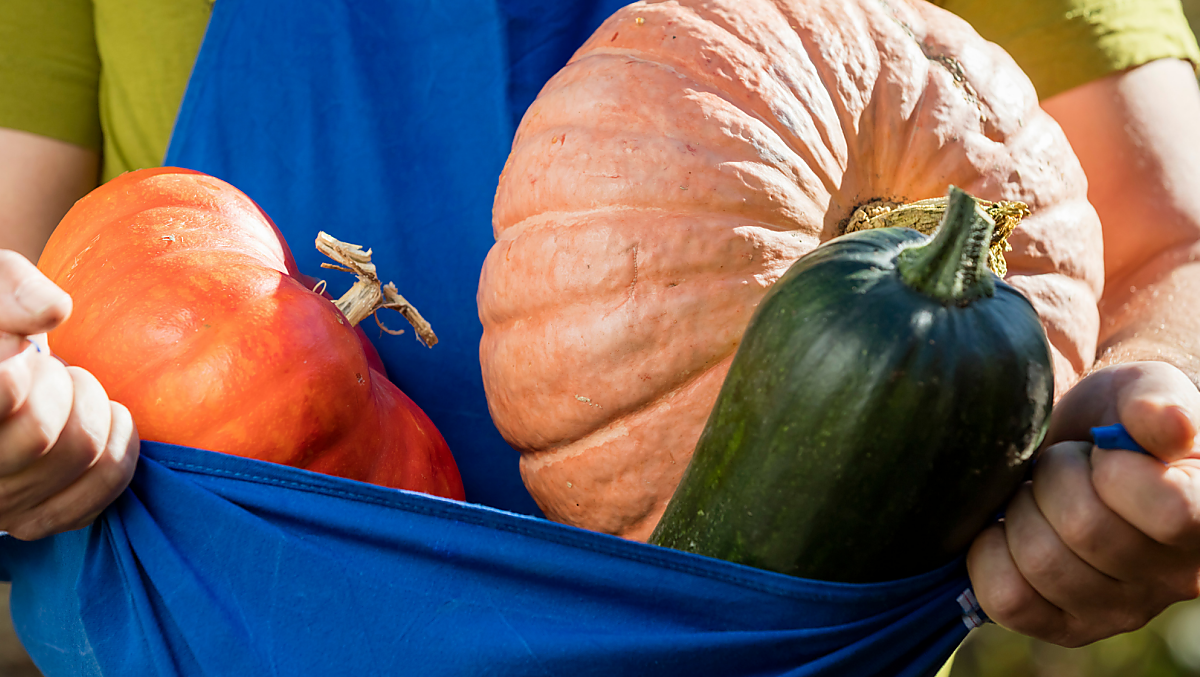
Cellars and larders are filling up. Everything that has been ripening in the garden, fields and on fruit trees over the past few months is now harvested and preserved. Vegetables are pickled, herbs dried and fruit is made into jams. juices and compotes.
After spending summer in the mountains, farmers need to keep an eye on the animals and observe whether they have all come back healthy and will get through the cold winter ahead. Farmers know their animals really well and notice when one is behaving differently from usual.
Work on a fruit farm
Autumn means mostly one thing for fruit farmers in South Tyrol: harvest time. And lots of work. In September and October the apple orchards are really busy. Depending on variety, altitude and weather conditions, the harvest can go on well into autumn. External conditions determine when to harvest, then, if ripeness and colour are right, the fruit is picked.
When it's the right time, it's all hands on deck. Apples are carefully plucked from trees and laid in large harvest crates. This requires skill in order to avoid bruising them.
On lots of farms, the whole family helps out. And sometimes guests can pick apples and can find out just how much work lies behind the apples that end up in our shopping baskets.
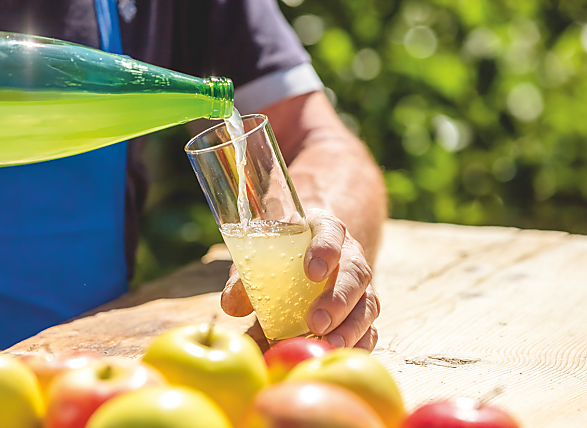
Most of the harvested apples are delivered to cooperatives, where they are sorted, stored and prepared for sale. Some farming families keep back a part of their harvest to process on the farm into apple juice, dried fruit, jams or other tasty treats.
Work on a wine farm
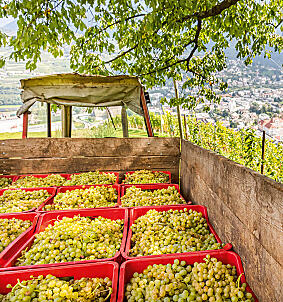
Autumn brings a quiet thrill to wine farmers. The most exciting time of the year has arrived at last: the grape harvest. Or, as we say in South Tyrol, 'es wird gewimmt!' ('It's grape picking time!').
Vines are tended for months on end and grapes are watched as they ripen. Now it's time to see what the year's vintage will be like. Finding the right time for the harvest requires experience and skill. Wine farmers observe the ripeness, acidity and sugar content of the grapes and keep an eye on the weather forecast. The point of harvesting depends on grape variety, exposure and altitude.
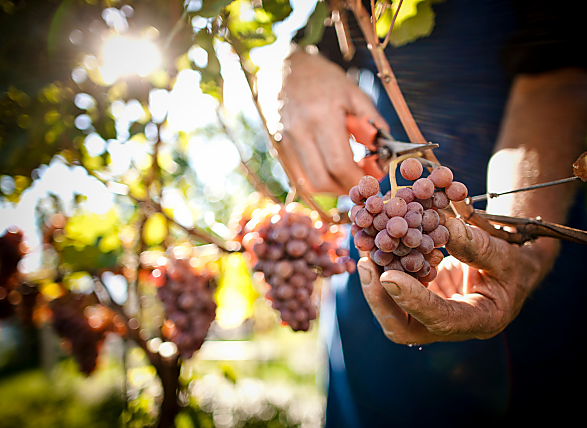
Tradition has it that grapes are picked by hand. The ripe bunches of grapes are cut using a vine cutter and laid in crates. Family, friends and harvest helpers work side by side. Once the grapes have been picked, the next step begins in the cellar. The grapes are processed, their must is left to ferment and the new wine starts to develop. This is a time for watching and waiting. Temperature and fermentation processes are regularly monitored, and the cellar is alive to the sound of bubbling and smells waft through the air.
Outside on the vineyards there's still lots to do after the harvest. Vines have to be prepared for the winter by untying wires, cutting back leaves and tending the rows. Only when the last leaves have fallen off can pruning begin, which signals the start of the next farming year.