Autumn on the farm in South Tyrol
If you're keen to find out what makes autumn in South Tyrol unique, you'll find 20 things here.
The 'Törggelen' tradition, the many seasonal festivities and mild climate are just some of the reasons to spend an autumn holiday on a farm in South Tyrol. You'll find 20 more reasons here.

Transhumance, or driving down of the grazing animals from the mountain pastures. This is when the cattle and sheep return to the valley from the pastures, and lots of places hold festivities to celebrate the occasion. Flowers and herbs for adorning the animals with have already been gathered during the summer.

This is usually fenced off with a pretty wooden fence, and is fit to burst in autumn when harvest time comes around. You can find pumpkins, beetroot, tomatoes and lots more, as well as colourful autumn flowers and lots of herbs.

In autumn, the apples are picked and turned into apple juice. Some farmers like turning the apples into cider. Yeast is added to the juice from freshly crushed and pressed apples to start the fermatation process.

The harvest festival held on Walterplatz in Bozen has become a traditional event in South Tyrol and attracts thousands of visitors each year. You don't just have the chance to meet farmers there, but you can taste and purchase lots of products, too.

The basic ingredients for this typical soup from South Tyrol are onions, carrots, celery, potatoes, smoked meat as well as barley. This soup is often served as part of a 'Törggelen' menu.

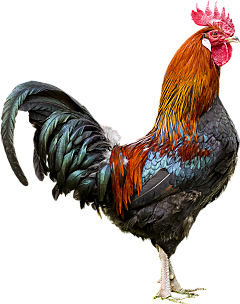
A South Tyrolean farm inn, or 'Hofschank', bearing the 'Roter Hahn' seal of quality, is a mountain farm that serves its guests at least one dish made from meat from the same farm. In autumn, spare ribs or pickled pork are usually served with sauerkraut.

At mountain refuges and pasture huts, a snack known in South Tyrol as 'Marende' is often served up on farms either at 'Törggelen' time or as a refreshment. This is usually made up of 'Speck', smoked sausage, cheese and 'Schüttelbrot' crispbread.

Autumn is chestnut time in South Tyrol. Chestnut groves are characteristic of the rural landscape in South Tyrol and their prickly fruit ripens in autumn. Chestnuts have always been a staple food for farmers and make up an essential part of the 'Törggelen' menu.

Lagrein is one of the oldest autochtonous red wine varietals in South Tyrol and has a rich history going back to Roman times. Its special feature is its dark, deep red colour.

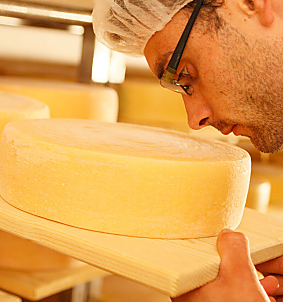
Dairy farming plays a central role in the cultural and rural life of South Tyrol. In autumn, the cattle come back down from the mountain pastures and are allowed to graze on the meadows around farms before being taken into the cowsheds for the winter.

In October, the weather is still warm and perfect for hiking. There are lots of foodie events going on, too.

Anyone interested in good quality and in supporting the local economy would do well to take a look at the 'Roter Hahn' quality products. Constant checks by an independent expert panel mean that the results of farm product leave little to be desired.

Beetroot dumplings are a traditional speciality and enjoy a long tradition in South Tyrol. They add a seasonal dash of colour to autumnal plates.

When it gets cold outside, the people of South Tyrol like withdrawing to the parlour. This is a living room panelled with wood enjoying a central spot in a typical South Tyrolean farmhouse. It doesn't get any cosier.

Eating roasted chestnuts is an old tradition in South Tyrol taking place in autumn. It is basically a get-together in a farm inn to celebrate and enjoy the culinary fare of the region.

A home away from home. A unique opportunity to experience farm traditions and caring hospitality and get close to nature.

The larder, also known as pantry, is an important room in traditional South Tyrolean houses. It is there for storing food and supplies for the household, in particular in the colder months of the year. In autumn, its shelves are groaning with preserved produce.

Known as 'Wimmen' in South Tyrol, this is an important event that takes place every year in autumn. It normally starts at the end of August or the start of September. Timing is crucial, as the grapes have to reach their ideal point of ripeness in order to unfold their best taste and aroma.

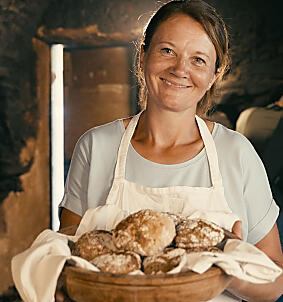
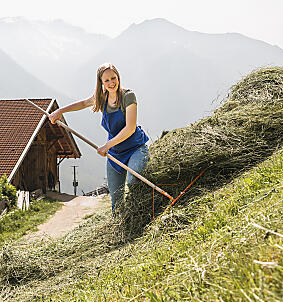
Farmwomen in South Tyrol deserve our full appreciation and admiration! Day after day they work tirelessly on the farms to get the best out the soil and guarantee a wide variety of fresh products.

his is a fragrant and varied medicinal plant that has been used in herbal medicine and cooking for centuries. These days it finds widespread use in South Tyrol and is mainly harvested in autumn.
'Roter Hahn' farms are picturesque farms in South Tyrol where you can spend a relaxing holiday in the midst of nature at any time of year. In autumn, you can enjoy the colours of the vegetation and turning leaves, the sun in the clear blue sky keeping you warm into the early afternoon.
There are lots of other aspects making a stay on a farm in autumn unique. Here are our 26 good reasons for taking a holiday in autumnn.